
The Power of Persistence
Credit: Jaclyn O’Laughlin Photography
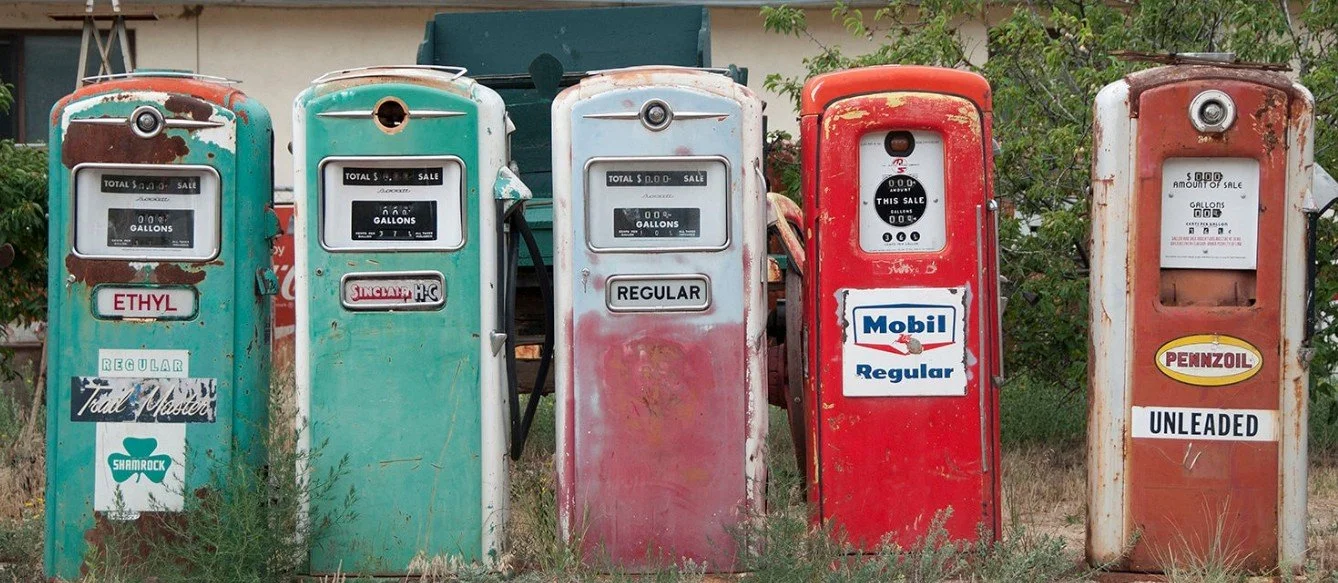
Today’s story of people making a difference is actually a history lesson. It’s a story about a woman named Jill Runnette who made a difference 50 years ago in the fight to get lead banned from gasoline (petrol) in the UK.
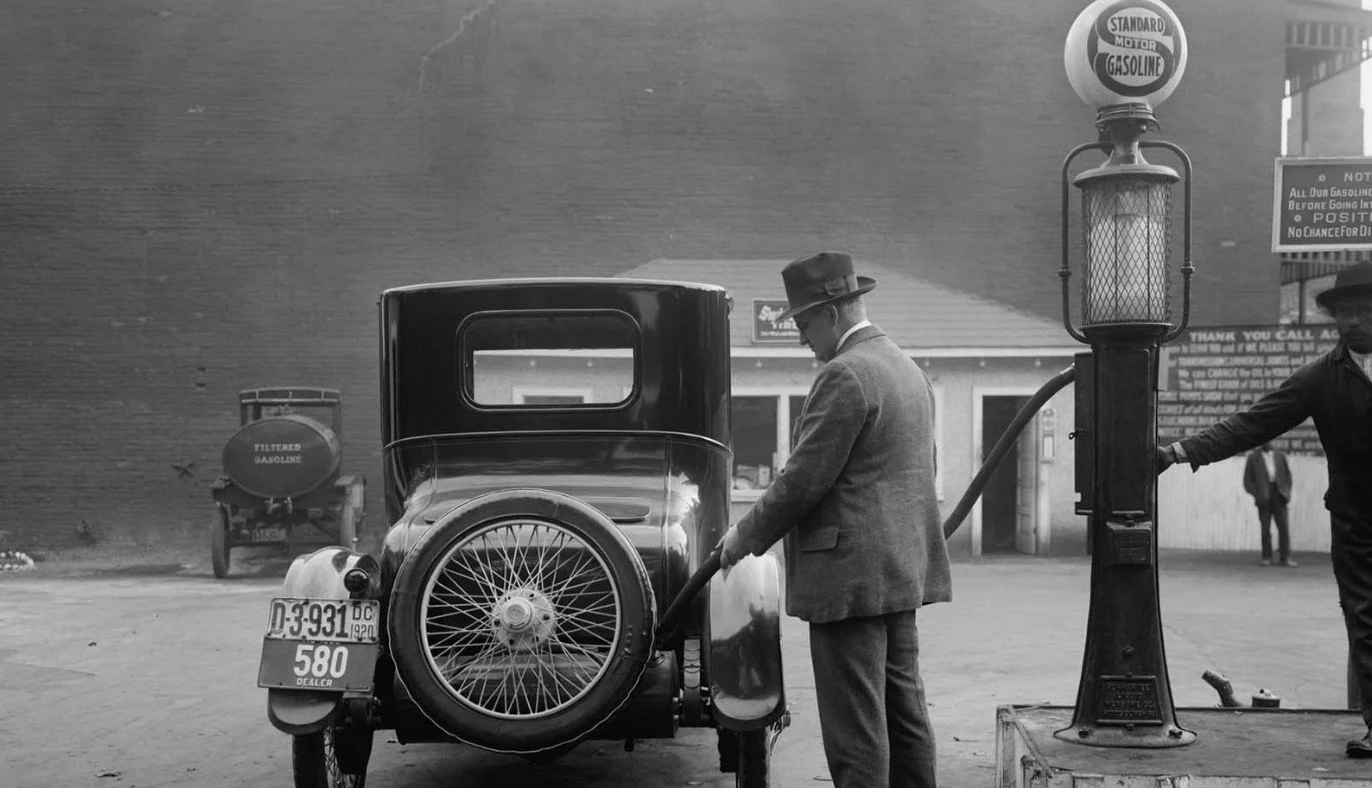
For those of you who weren’t around or aware of what was going on prior to the 1990s, here’s a quick history lesson on leaded gasoline. In 1921, auto manufacturers General Motors and Standard Motors began adding tetraethyllead (TEL) to gasoline to get rid of the problem of “engine knock.” Adding this lead compound to gas took away engine rattle so their cars could cruise down the road with only the sound of the engine humming. It was a great marketing boon, but it was a horrible environmental mistake that would take more than 50 years to correct.
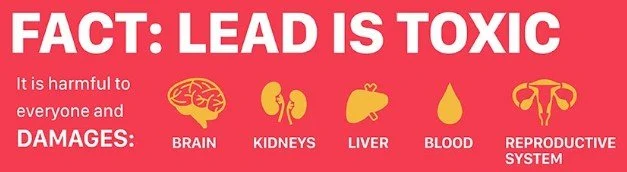
You see, lead is highly toxic, especially to children. The toxicity of lead has been known for thousands of years. Regardless, it’s been used in various products for millennia due to its workability, density, corrosion resistance, and other beneficial properties. In the past, lead was even added as an “enhancer” to wine and other beverages due to its sweet taste. It was used in the Roman aqueducts and water pipes, and later identified as toxic to the citizens of Rome. In the Middle Ages, German physician Samuel Sockhausen noted the connection between dust and fumes containing lead compounds and the health problems of local miners and smelters. The toxicity of lead from many sources was cited repeatedly in the 17th, 18th, and 19th centuries, leading to periodic bans and limits on its use in multiple countries throughout Europe.
Near the turn of the 20th century, several nations recognized the severe toxicity of lead, particularly to children, and banned its use in specific products. Australia identified the health impacts of lead paint in 1897 and finally outlawed that use in 1914. France, Belgium, and Austria banned it in interior paints in 1909, and League of Nations did the same in 1922.
I provide all this history to make it clear that in 1920, when US auto manufacturers and fossil fuel companies began adding lead to gasoline and publicly promoting it as a safe additive, they knew better. (Sound familiar?)
Credit: rarehistoricalphotos.com
But before continuing the story of lead in US gasoline, I’d like to jump across the pond and introduce you to Jill Runnette.
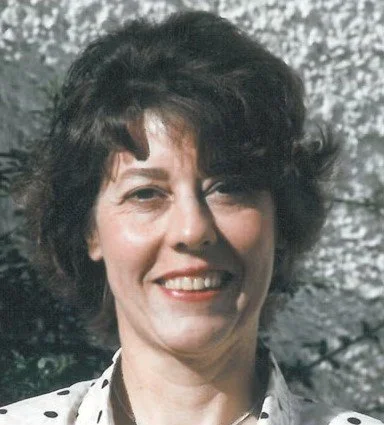
Jill Runnette was born in northwest London in 1939, studied Art in college, and was an accomplished artist and art teacher for over four decades. She was also a brilliant and articulate woman who used her voice to make a difference in the world.
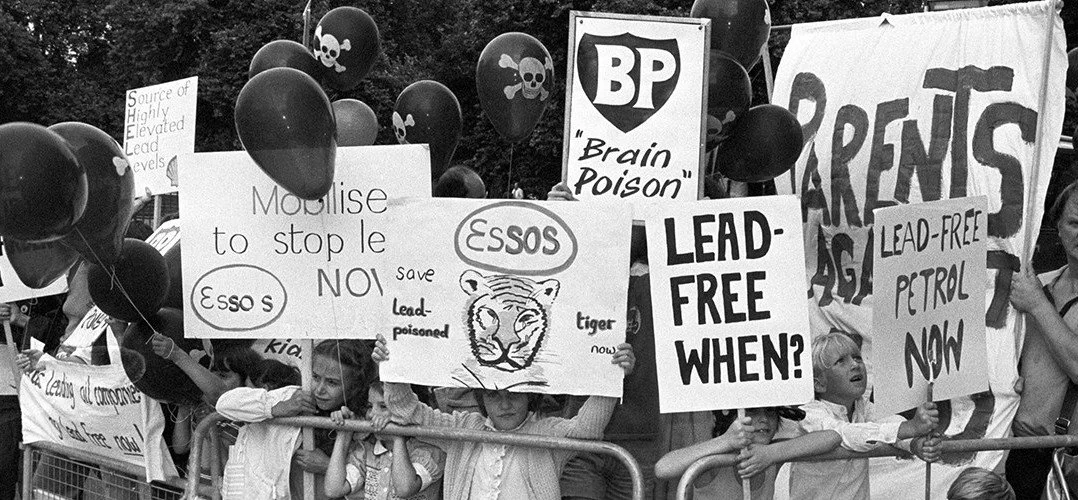
In 1975, when leaded petrol was still in use throughout the UK, she joined the Conservation Society (an early British environmental organization). Alarmed over the impact of automobile lead emissions on children, Runnette joined with two other members to found the Campaign Against Lead in Petrol (Calip). According to an article about Runnette and Calip in The Guardian, “Their aims were to educate people about the pollution and health problems from lead and put pressure on the government to make changes.”
After Jill Runnette’s death in 2009, The Independent ran their second article about this amazing woman. In it, they quoted their own earlier piece:
“With what the Independent described as terrier-like persistence and armed with assiduously researched material, she took on scientists, politicians, the Civil Service and the oil giants and gradually persuaded ministers of the dangers of this toxic metal. Calip paved the way for a further campaign, led by Des Wilson, which by 1983 had succeeded in obtaining from the government a promise to phase out the poison. Its use was finally banned in 1999.” This one woman’s persistence in the face of entrenched and moneyed interests accelerated the banning of lead in petrol in the UK, protecting the health and lives of innumerable children.”
Credit: Getty Images via thedrive.com
Circling back to the US and picking up another thread in the story:
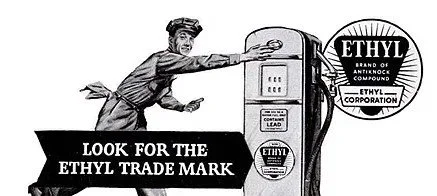
In 1923, after GM and Standard Motors began adding tetraethyllead (TEL) to gas, GM and Standard Oil (later Esso, then Exxon, and now ExxonMobile) created a joint venture called Ethyl Corporation. In 1937, Ethyl constructed (with help from Dow Chemical) a flagship TEL manufacturing plant in my hometown of Baton Rouge, LA. Within the first year of operations, refinery workers got lead poisoning that caused hallucinations, brain damage, illness, and death. The companies knew about lead poisoning but denied and covered-up the effects on their workers, then played corporate shell games to avoid responsibility for endangering and harming their workers.
Aside: My grandfather worked at the Standard Oil plant (and possibly Ethyl, as well) and my great uncle spent much of his career at Ethyl. My grandfather died of a heart attack before I was born and my great uncle developed Alzheimer’s in his later years. I can’t help but wonder what their lead levels were.
In response to the environmental movement of the 1970s, the US finally began removing lead from gasoline in 1976, but it wasn’t completely banned from automobile gas until 1996, via amendments to the Clean Air Act. Lead was banned from paint in the US 1977 and water pipes in 1986. Thanks to these changes, average blood lead levels in children fell by more than 75%.
Sadly, in 2013 the children of Flint, Michigan were not protected from lead poisoning when corrosive water from the Flint River caused lead to leach from old pipes into their water system. Once again, the risk was known, but short term economic gain led to decisions that would damage thousands of children.
The moral of these stories – as stated in a YouTube Documentary on the subject, is “If anything is clear from the history of lead, it’s that corporations cannot be trusted to regulate themselves.” We need brave individuals like Jill Runnette to bring their dogged determination into the arena to fight for what’s right. Jill Runnette understood that we’re all in this together. She found like-minded people to work with her at the Conservation Society and others at CLEAR to pick up the fight. But without her, who knows when the UK would finally have outlawed lead in gasoline.
For a deeper dive on the history of lead poisoning, check out these sources:
Milwaukee Independent - Poisoned Cars
BBC - Why did we use leaded petrol for so long?
Smithsonian - Leaded Gas Was a Known Poison the Day It Was Invented
The Guardian - Lead is even deadlier than we feared
Mother Jones - How Did Lead Get Into Our Gasoline Anyway?
Boston Children’s Hospital - Lead exposure remains a problem