
Investing in the Earth

credit: unsplash.com
The second key role that Dr. Kimberly Nicholas identifies for having an outsized impact on greenhouse gas emissions is investor. Maybe you don’t think of yourself as an investor. Maybe you barely have two nickels to rub together. But almost everyone is engaged in banking and investment in one way or another. You may have checking or savings accounts, education investment accounts, or be saving in a 401K or other type of retirement account. Whatever money is yours that is sitting in an account somewhere is directly or indirectly funding something. That money is either loaned out to someone or to some business or used as collateral to support other enterprises out in the world. And that’s a good thing! Until it’s not, until it’s supporting something that is harming life on the planet.
I’m sorry to report that the biggest American Banks – Chase, Citi, Wells Fargo, Bank of America, Goldman Sachs, and Morgan Stanley – are among the biggest lenders to the fossil fuel industry. Additionally, most companies managing retirement funds are also heavily invested in fossil fuels, which not only impacts the environment, but also creates a serious financial risk for all investors. The effects of a changing climate – like rising sea levels and stronger storms – destroy assets, disrupt supply chains, and damage infrastructure, including the infrastructure used to extract and refine fossil fuels, reducing the value of those very investments. The system is an interconnected web that is quickly becoming riskier on all fronts.
Beyond the basic effects of climate change, the impacts of oil spills, pipe leakage, and development and abandonment of fossil fuel infrastructure on plant and animal species and ecosystems are enormous and long-lasting, as discussed in the last post.
Credit: solarschools.net
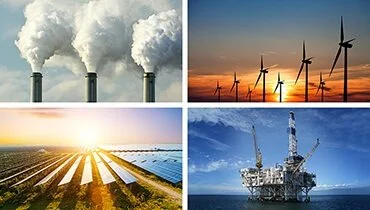
Humans now demand more energy every year, so investing in energy development for the future is critical. Whatever we invest in to meet those needs will have some impact on the natural world. The question is, how do we minimize that impact and make our approach as regenerative as possible? (I’ll do a deeper dive on the pros and cons of various energy sources in a future post – the bottom line is that electrification of everything and shifting to solar, wind, hydro, and geothermal instead of fossil fuels is the way to a healthier planet for all.) To make the transition to clean energy, we must fund alternative power sources and new technologies and reduce funding to the oil industry.
How do we do that? Considering that all the big banks and major investment firms are investing in oil companies, it takes a little investigation and planning. For banking options, Bank.Green is a good place to start. You can use their search tool to see if your current bank is funding fossil fuels, search for “green banks” in your area, then use a link to jump to their websites to learn more. Another good source of information about eco-friendly banks is MightyDeposits, which also has a list and links of “sustainable” banks and credit unions, along with advice for evaluating banks’ environmental claims. These smaller banks won’t have as many branch locations or ATMs as the “big boys,” but since many of us do most of our banking online now, that may not be as important as it used to be. How often do you actually go to your bank and interact with a human? And if you feel the need to leave a little money at your old bank for ATM emergencies, well, at least that’s better than having all your money there. As for retirement investing, tell your advisor or investment manager that you want to divest from funds that support fossil fuel companies. I divested from fossil fuels 20 years ago and my returns have been great. And by asking for information about funds without fossil fuels and then investing in them, you’re helping create the demand that keeps them growing.

The good news is that you won’t be alone in divesting from fossil fuels. Here’s a list of organizations all around the world that have made commitments to end their financial support of fossil fuels. They understand – we’re all in this together.
Sources: wecanfixit.substack.com, sierraclub.org, fastcompany.com, ucs.org, phys.org, audubon.org, abcbirds.org, sciencedaily.com, bank.green, mightydeposits.com, divestmentdatabase.org