
Citizening
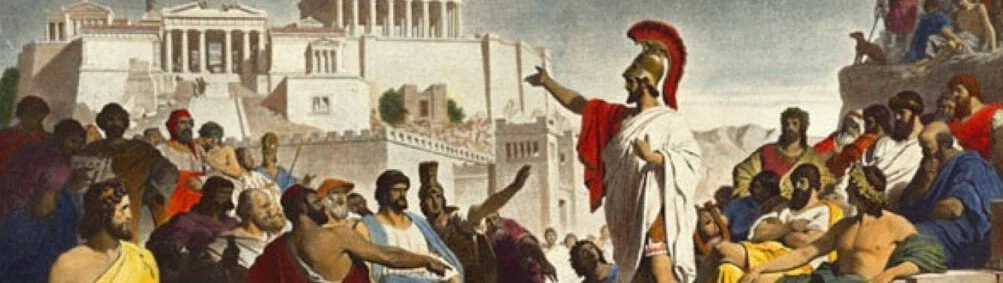
The final entry in my survey of Dr. Kim Nicholas’ 5 roles where you can flex your power to change the world considers the role of citizen. This is the role where we step up and join others to make changes in our cities, counties (and parishes – I see you, Louisiana), states, and nation.
The title to this entry, “Citizening,” was borrowed from the inspirational Baratunde Thurston, whose contention is that citizen isn’t just a noun, it’s also as a verb. It’s not just a label stuck to your chest, but a responsibility to act for the benefit of your community. (More on him later.) Baratunde and his wife, Elizabeth, created a list of four things that make up citizening:
Show up. Do something. Get in the game.
Invest in relationships. This is not an individual sport. (Sound familiar?)
Understand our power as citizens. It’s much more than just voting.
Take action for the benefit of the many, not just the few.
I love the way this dovetails with Kim Nicholas’ ideas, encouraging us to hold our representatives at all levels of government accountable for their votes and policies on the climate. I would expand that to include holding them accountable for their votes and policies on all environmental topics. (Some of them may need a reminder that, as the renowned economist Herman E. Daly said, “The economy is a wholly owned subsidiary of the environment, not the reverse.”)

In recent years, the US federal government and many state and local governments have been controlled more than ever by the power of money. Since 2010, when the Citizens United ruling reversed century-old campaign finance restrictions, trillions of dollars of untraceable funding have poured into the coffers of politicians, influencing their votes to support corporate interests and drowning out the voices of hundreds of millions of Americans. It’s time to take our power back. We can build a better future by returning to the roots of the environmental movement: publicly mobilizing, lobbying, and directly contacting our representatives at all levels to hold them accountable for votes that support old, dirty technologies and the corporate activities that contaminate our water, air, and food. It’s time to remind them that they work for us, not big corporations and billionaires.
The good news is that you don’t have to figure out how to do this all by yourself. (We’re all in this together, remember?) Simply do an internet search for “Environmental lobbying in my state”, and boom, you’ll get a list of dozens of organizations that are already doing this work. Or search for “My city/county environment” and you’ll see links to municipal websites outlining local policies as well as sites for volunteer groups that may engage in local lobbying. Talk to your friends about your concerns and find a partners who will go with you to join a local organization’s event or to attend a board meeting.
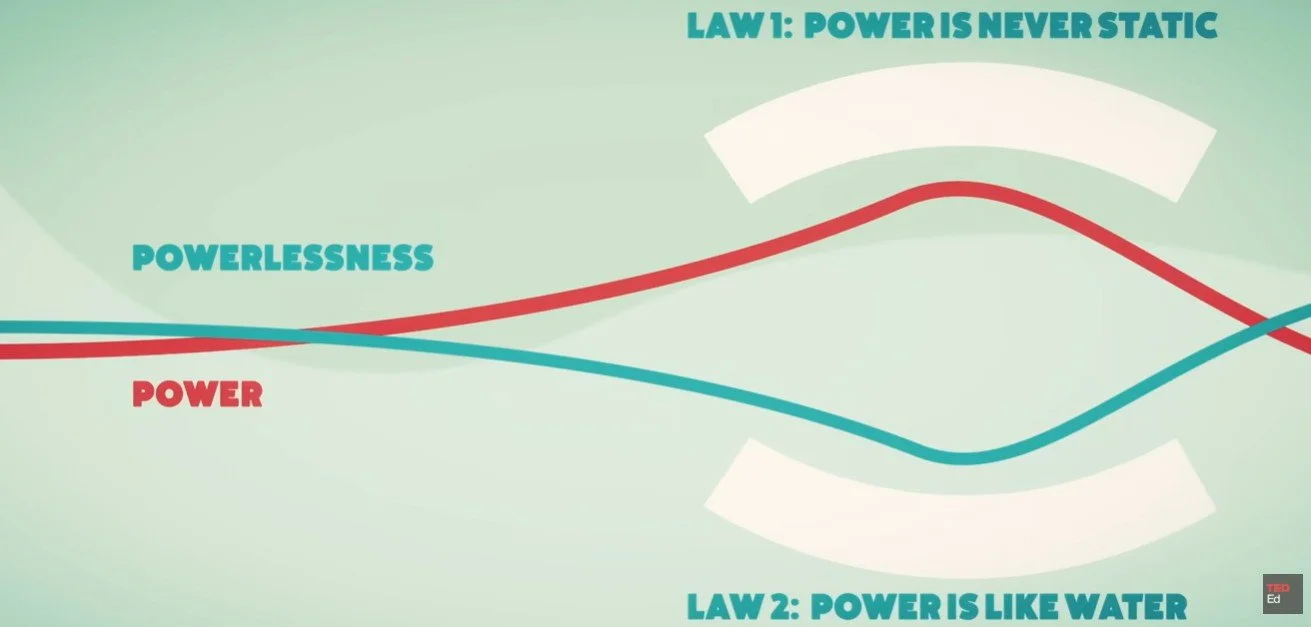
Credit: Eric Liu
Change comes from shifting power. We can shift power away from corporations and those who benefit from decisions that rob us of a better future, back to “we the people” who deserve clean air, water, land, and an abundance of biodiversity. For an excellent overview of civic power, check out the How to understand power video (7 mins,) by Eric Liu, co-founder of Citizen University. Then find out who took your power and fight to take it back.
Now, back to Baratunde Thurston. His amazing podcast, How to Citizen with Baratunde, ran for four seasons, doing deep dives into how governments and economies work and how you can get involved. His website of the same name includes a roadmap to help you find tangible ways to begin your citizen practice. This quick tool will lead you to resources based on your particular interests related to “citizening”. Interestingly, Baratunde (he seems okay with us calling him that) also hosted a fabulous series on PBS called America Outdoors with Baratunde Thurston. Nice.
What will you do today to be a better citizen?