
Take Your Cares to Work (and School)
Circling back to my survey of Dr. Kim Nicholas’ recommended roles where you can flex your power to change the world, the next one to consider is the one most of us walk into 5 days a week – worker or student. While Dr. Nicholas’ focus is on using your roles to press for climate action, let’s expand that idea into using your roles for all kinds of action to build a better and healthier future.
Let’s start with the student role. Your number one job as a student is to learn. Sadly, a lot of people think that by the time you’re in high school (or college at the latest), you should focus your learning in only one area. Mistake!! This is a mistake on so many levels. First, learning is a brain workout no matter what you’re studying. Doing mental reps in science, math, literature, or any other subject makes your brain stronger (smarter). The actual, physical neural connections you build when learning anything allow you to synthesize information to achieve better understanding and new insights about everything. So, no matter what you’re majoring in (or planning to major in), learning about the Earth’s natural processes and how we impact them builds your brain power for any other subject. Second, you never know where your life and career paths will meander – knowing something about the environment may lead you to new job opportunities some day! And last but not least, knowing stuff makes you a more interesting person. You don’t have to be an expert to be a good conversationalist, just knowing enough to ask good questions always leaves a good impression.
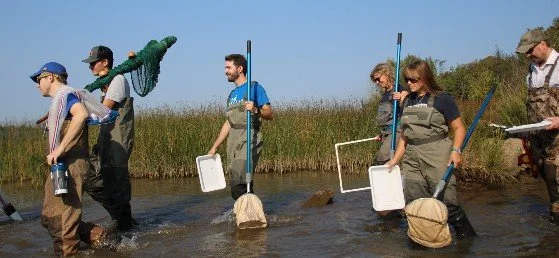
Lake Superior University
That doesn’t mean you need to major or minor in Environmental Science. Here are some ways to expand your knowledge without stressing yourself out:
Check out a student-led environmental organizations. There are lots of them at all educational levels – like the Sustainable Ocean Alliance, EcoCampus, and many others, like some listed on the Climate Change Resources site. Beyond these multi-campus organizations, virtually every college has its own environmental groups – just do a quick search and you’ll see! It’s okay if you’re not ready to take action, it’s still a great way to learn.
Take an environmental science class as an elective. Even if you take it pass-fail or just audit it, you’re bound to learn something. (But definitely do your research to find the best professors.)
Read a book, listen to a podcast, or take a free online class from sites like The Open University and Future Learn.
Your other job as a student is to impact your world – your friends, acquaintances, and teachers. Here are some ideas on that:
Influencing others is not about verbally beating them into submission (insider tip: that generally backfires). Asking questions, learning the perspectives of others, and framing the conversation based on their concerns is key. Here’s an interesting article that does a deeper dive on what works and what doesn’t in climate communication, in particular.
You are the school’s customer, and they should want to serve you. If you want a class that explores specific environmental topics, ask for it. Find other students who would be interested and lobby for it.
If you do join an environmental group or take a class on nature, talk about it! You’re not alone in your concerns, and your (real) friends will appreciate the opportunity to join you in conversation or action.

Now for the worker role. Once again, you can make a difference through your own actions as well as your ability to influence others and the company.
Start here: Project Drawdown – Job Function Action Guides. I know, I said my goal was to expand beyond climate actions and these guides are climate focused, BUT, much of the information provided by Project Drawdown can be applied to other environmental actions (they’re all related, anyway). This resource includes specific Climate Action Checklists for 12 different roles, as well as the option to recommend that they create a list for any role that’s missing.
Learn all you can about sustainability programs or policies at your company. If you’re unaware of any, check out the company website – sometimes companies make public statements they should be living up to. Be an outspoken supporter of company environmental protection and sustainability efforts whenever you can.
Make small changes. Stop using single use cups, plates, and utensils at work – bring your own reusables! If someone notices, just say, “Yeah, I got tired of creating so much waste.” Ride your bike, walk, or take public transportation to work. Once again, it makes a difference and it’s a nudge to others. Turn off lights when you leave a room. Put a plant on your desk.
Look for others who want to make a difference. Start chatting about it at lunch or in a “walking meeting.” Get together to create a plan to change one thing in the office.
If you think the company can do better, get curious about why things are done the way they are. Telling your boss your brilliant idea may backfire, so start from a perspective of curiosity and be willing to learn then lead.
If you hit a brick wall, express your concerns. Let management know that you are not the only one who wants to work for a better future.
If your company’s vision of the future doesn’t match yours, that could be a sign that you need to find a different employer!
Most of us are reluctant to “rock the boat” at work or at school. But remind yourself of your personal values and your dreams of a better future, then find kindred spirits to take action with you (after all, we’re all in this together).