
Transforming College Campuses
The thing I love most about creating these blog posts is discovering stories that remind me of the upside of “we’re all in this together,” that is, that I’m not trying to drag this rock up the hill all by myself. All sorts of people everywhere are hard at work. For this series on people making a difference for the environment, I’m looking not only for those who have power and opportunities thanks to their training or position, but also for ordinary folks who lack those levers but just decided enough is enough.
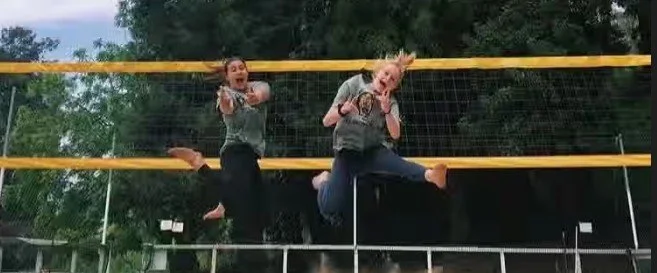
Today’s story is about two of those people: Mackenzie Feldman and Bridget Gustafson, founders of Re:wild Your Campus. This is the story of two young women who saw a problem and took it on themselves to solve it. In 2017, Mackenzie and Bridget were at volleyball practice at UC Berkeley and discovered that the outdoor courts had been sprayed with Ranger Pro, a glyphosate-based herbicide. Glyphosate is the most widely used broad-spectrum herbicide in the world, and according to numerous studies, exposure to glyphosate increases cancer risk by as much as 41%. The women were shocked to realize that they and the groundkeepers were being exposed to this harmful chemical and decided to do something about it. They went to the Athletics Fields Supervisor and asked that the university stop the practice of spraying the fields and committed the team to pulling the weeds themselves.
This single decision by two people to take action led to campus-wide changes. UC Berkeley now manages 95% of their 171-acre campus without the use of inorganic fertilizers, chemical pesticides, fungicides, or herbicides. The movement also grew beyond that one campus. Inspired by groundskeeper Dewayne “Lee” Johnson’s fight against Monsanto after developing cancer due to exposure to Ranger Pro, UC Berkeley’s “Re:wild” joined forces with “Herbicide-Free Campus” to create a nationwide movement to eliminate synthetic pesticides from all college campuses in the US by 2030: Re:wild Your Campus. (Johnson was eventually awarded $20.4 million in the landmark case, featured in the 2023 documentary Into the Weeds.)

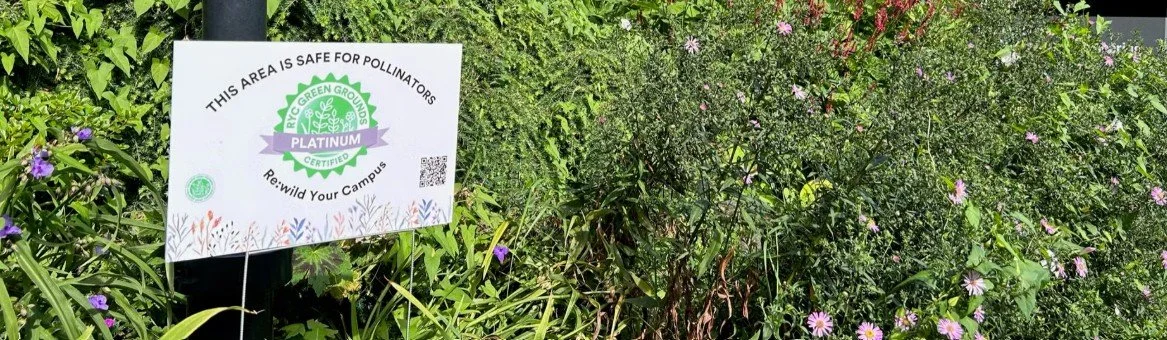
Nine years after that decision on the volleyball court, Re:wild Your Campus continues to spread, making college campuses across the country safer for people, plants, and pollinators. They boast over 700 students, administrators, and experts in their network, 15+ campuses certified with their Green Grounds Certification, and over 500,000 students impacted by their campaigns. In addition to their certification programs, Re:wild provides training on creating safe and sustainable environments and environmental advocacy, as well as guidance on organic pilot projects and rewilding of underutilized spaces using native plants.
To get in on the act, visit their website:

And if you’re not associated with a college campus, you can always donate to support their efforts. I can’t overstate how much I love this program. It’s the living embodiment of “We’re all in this together.”
References: rewildyourcampus.org, youtube.com