
Three Questions (and an Answer)
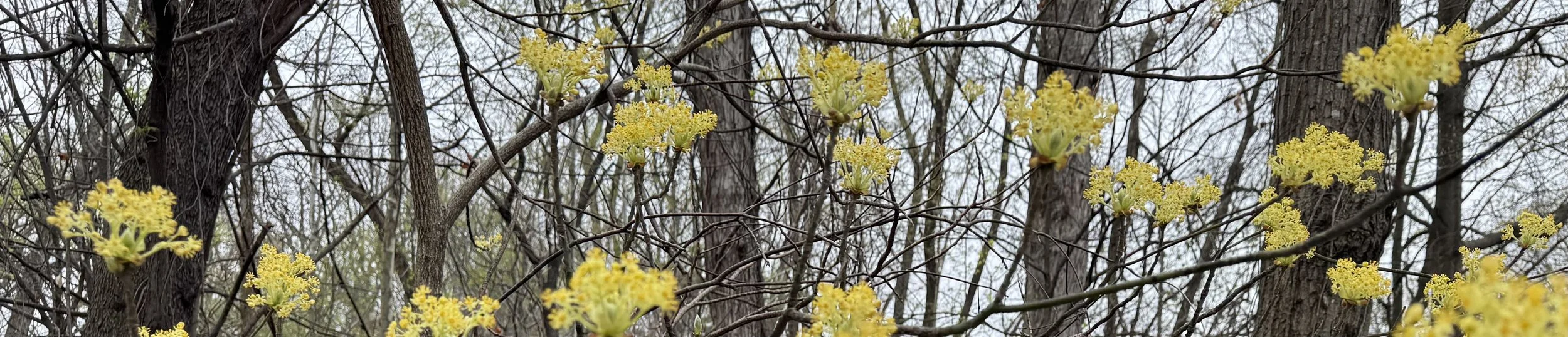
Welcome, April! I do love spring, mostly because I’m so tired of cold weather, but also because of the resurgence of life in all its wondrous, colorful beauty! It’s also great that the designation of Earth Day as April 22 has expanded to make April “Earth Month” for lots of people and organizations. I’ll be doing a post about the history of Earth Day as that date approaches, but meanwhile I encourage you to visit the fabulous earthday.org website!
For today I’m circling back to motivation and action – the why and the what of our efforts for the environment. My inspiration comes from a great book I just finished, Citizens: Why the Key to Fixing Everything is All of Us, by Jon Alexander. (I should say that I just finished my first reading – note all of the stickies of passages to reread!)
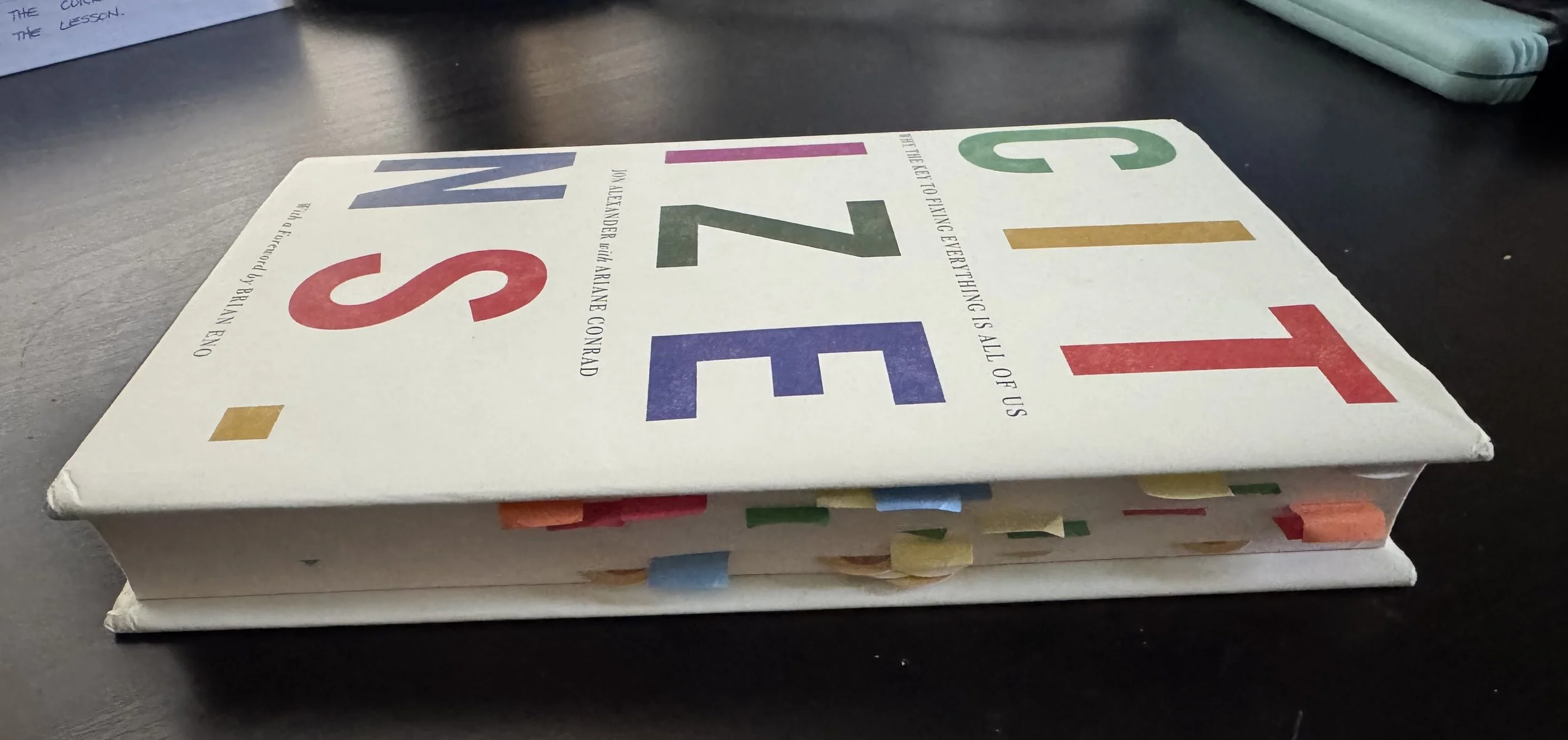
More about the book in a minute, but first, the three questions it provoked for me:
Do you trust corporations to protect the Earth and its beauty and support abundant life?
Do you trust governments to force corporations to do that?
Do you think things will get better if we don’t act?
My answers are clear: no, no, and no. I’m not saying that some corporations won’t do the right thing (some will, but most won’t). I’m not saying that governments don’t have a role to play (they do, but they must be pushed by us). I am saying that things definitely will not get better if we don’t act. In fact, things will continue to get worse. My motivation is simple: to protect life on Earth and support its abundance. The actions required are complex and are not supported by the two current social paradigms described by Jon Alexander in the book, what he calls the Subject Story and the Consumer Story.
The two stories humans have been caught-up in for most of our recorded history have been the Subject Story, in which we are subjects of a sovereign who “knows best” and guides society, and the Consumer Story, in which we are consumers who are sold goods, services, entertainment, opinions, etc., that we use to “self-actualize.” Throughout history, the Subject Story has periodically brought peace and prosperity to some but has inevitably led to the corrupting effects of power and the uprising of those who have been oppressed. The Consumer Story, on the other hand, has yielded expanded benefits for many, but at the cost of disenfranchisement and exploitation of the poorest, depletion of Earth’s resources, and disconnection of many people from true community. These stories still dominate in the world today, but both are showing cracks.
KB aside: Citizens was published in 2022, and the world has continued to change at a breakneck pace since then. My concern is that, while the Subject Story and the Consumer Story both appear to be floundering (as described by Alexander), there is another story that is taking root, and it’s not a good one. I’ll call it the Disengaged Story. It’s an outgrowth of the Subject Story and the Consumer Story combined, wherein we have been lulled by those “in charge” into focusing our consumption on entertainment. In this story, would-be Citizens spend most their free time watching others perform for their entertainment, playing solitary games, or scrolling through random videos and comments from strangers. Perhaps turning away from the Subject and Consumer stories will help root out this version as well.
Jon Alexander suggests that we can engage in a different story: the Citizen Story. When Alexander talks about Citizens, he is not referring to citizens of any particular country, he is talking about Citizens of any community who understand their inherent worth and recognize the “potential and power of every one of us to contribute what we each uniquely have to offer.” His premise is that by coming together in community, contributing our perspectives, ideas, and efforts, we can make decisions that will lead us to a better place than the Subject Story or the Consumer Story ever could. Alexander has spent more than 10 years putting his beliefs into action through the New Citizen Project, a consultancy that works with businesses, communities, and non-profit organizations to “involve people in their work and impact.” The idea is that any organization’s aims can be supported and enhanced by the involvement of everyone – employees, volunteers, customers, neighbors, and others who are touched by the work.
Being this kind of Citizen is not a one-person effort or a one-shot deal. It is a commitment to changing the story you tell yourself and the story you tell the world. In modern culture, the Consumer Story is deeply engrained in most of us. We may feel that we are unique and valuable, but that value is considered in isolation – “What can I learn, buy, or watch that will make me better?” instead of “How can my unique contribution be combined with the contributions of others to improve things, not only for me but for our community?”
Which leads me back to where I always land – we’re all in this together. We must find others who share a passion for protecting life on Earth and work together to include representation from all parts of the community, setting in motion the changes that will make things better for all of us.