
Plastic Waste - The 70s to Now
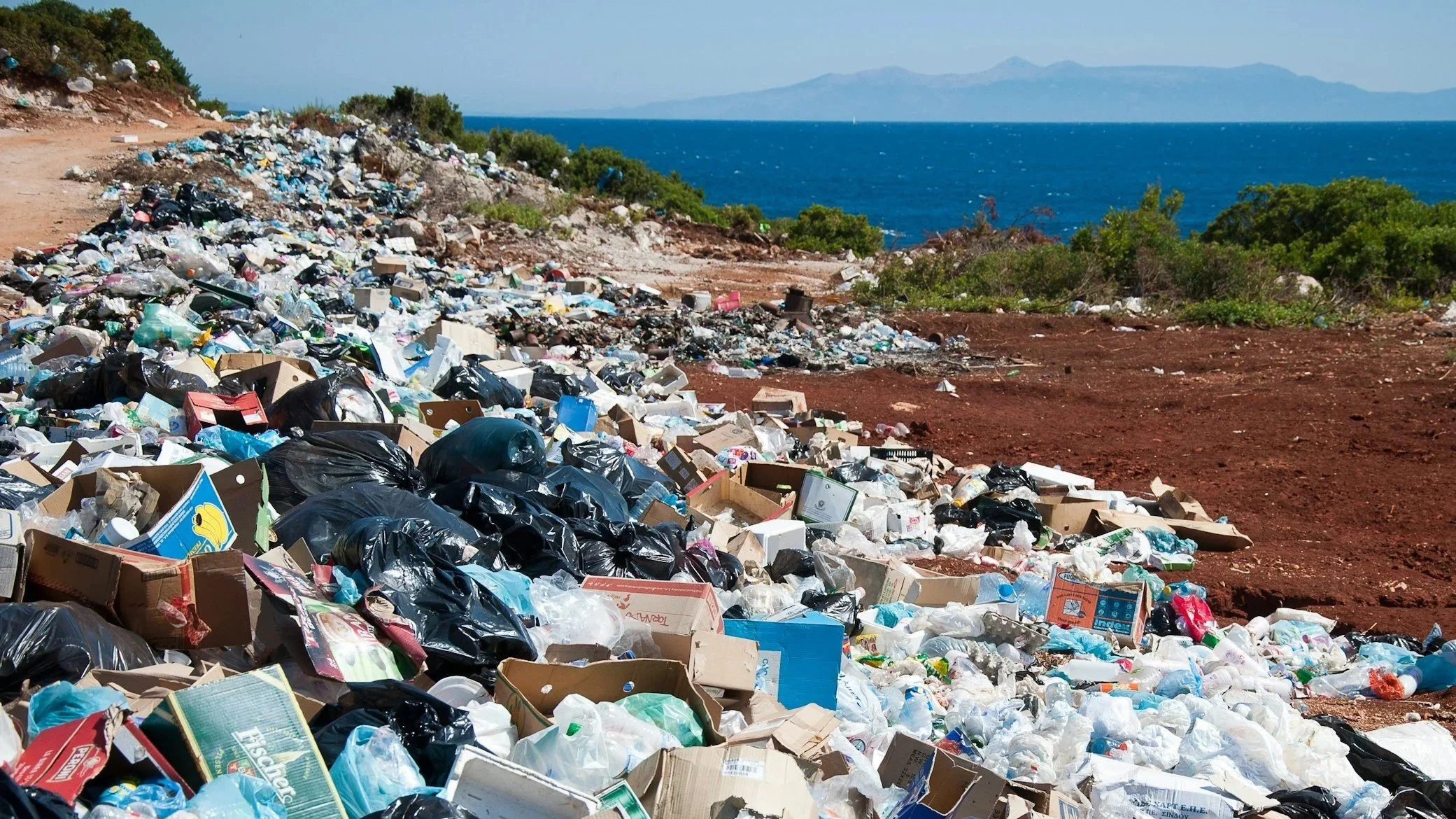
Plastic Waste, Rozeta Bo
Following up on the last post, let’s see what The Sun is Going Down For All of Us had to say about plastic waste pollution in 1971:
Thor Heyerdahl, reporting on his voyage across the Pacific in a papyrus boat, said that he saw garbage and waste in the middle of the sea. “Not just a spot here and there, but miles and miles of it.”
Do not buy the following . . . 1. No-deposit, no-return containers or non-recyclable cans.
Well, well, well, we’ve certainly come a long way, haven’t we? WhenThor Heyerdahl made his incredible voyage in a raft across the Pacific Ocean in 1947, he saw miles of garbage. Since then, that garbage has grown into The Great Pacific Garbage Patch, which actually includes two patches – one located near Japan and the other between California and Hawaii. And if you’re imagining these patches as giant floating islands of plastic, think again. Much of the debris has broken down into tiny bits of plastic, or microplastics (smaller than 5mm), that are suspended at all depths in the ocean. This makes it difficult to describe the size of the major contaminated areas, but one estimate is that they cover more than 1.6 million square kilometers (618,000 square miles).
Many government organizations, companies, and non-profits continue to sponsor projects to remove waste from our oceans and other waterways. But sadly, they can’t keep up with the amount of plastic trash we create. Our World in Data reports that in 1950 the world produced only 2 million metric tonnes of plastic per year, and by 2019 that number had increased nearly 230-fold, to 460 million tonnes. I’ve watched the use of plastic explode in my lifetime – when I was a child laundry detergent came in cardboard boxes and sodas came in glass bottles. Now the grocery stores are lined with aisle after aisle of all kinds of products packaged in plastic containers that will end up in landfills, waterways, or oceans. Plastic recycling efforts are admirable and need to continue, but so far there are extremely limited markets for recycled plastic. In any case, less than 10% of the plastic produced goes into a recycling program.
The tragic results of all this plastic waste are not only the deaths of fish and marine mammals and birds, but also contamination of everything in the food cycle. These microscopic plastic particles are now in our oceans, rivers, lakes, soil, plants, animals, and evenour own bodies. Plastic waste is clearly a crisis – so why can’t we fix it? Because plastic is not only convenient, but it’s also cheap, since no one is held responsible for the waste when we’re done using it. One thing that could help stem the production of plastic is a concept known as Extended Producer Responsibility (EPR) – holding “producers” (including manufacturers, importers, distributors, retailers, etc.) responsible for the environmental impacts of their products. There are EPR laws in many countries and some US states, but they are a checkerboard of various requirements, weakening their effectiveness.
After three years of negotiations culminating in the meeting of the UN Environmental Assembly in August of 2025, 180 countries failed to reach a consensus on ending plastic pollution. The final draft agreement included no limits on plastic production and no requirements for producer responsibility. Rather than pass an agreement that focused only on recycling (which has proven to be ineffective), more than half of the countries rejected the treaty as “inadequate.” But why didn’t the agreement include measures that could make a real difference? Because plastics come from fossil fuels, and fossil fuel producer nations see plastics as a path to further growth as alternative energy sources continue to expand. Meanwhile, 85% of Americans agree that plastic waste pollution is a serious problem that requires immediate political action to solve.
My takeaways:
Plastic waste is damaging the health of living things, including us
Less than 10% of plastic waste is recycled
There is a limited market for recycled plastic
Plastic production grows every year
Powerful corporations benefit from lack of consistent regulation
Reversing plastic pollution requires personal and corporate action as well as urgent political action to legislate producer responsibility
Remember, we’re all in this together.
References: Rozeta Bo on medium.com, nationalgeographic.com, noaa.gov, packagingschool.com, geographical.co.uk, earth.org, ourworldindata.org, worldwildlife.org