
Grab the Wheel
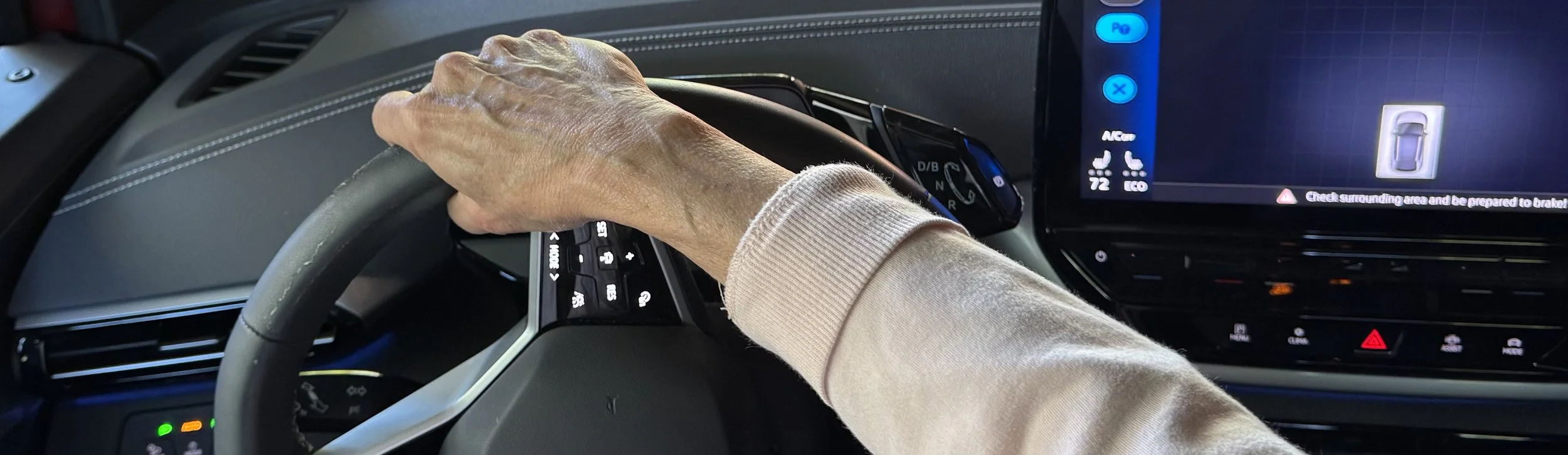
(This post is a follow-up to the post on 4/28/26. I encourage you to read it first.)
The climate change / environmental crisis is barreling toward us. My eyes have been opened to that fact from spending the last five years working in sustainability and “drinking from a firehose” of data about it. Now I wake up every day thinking about this state of affairs and looking for ways to help us avoid the worst of what could be coming. I know, deep in my bones, that what’s needed to change our global trajectory is a culture change in the USA.
Why single out the USA? For two reasons:
Since 1850, the US has cumulatively contributed the greatest amount of carbon dioxide to the atmosphere and has had the highest emissions per capita every year since 1900, so we have a responsibility to help solve the problem. (source: Our World in Data)
US emissions rose in 2025 and are expected to increase even more in 2026. Prior to 2025 we had seen 2 years of declines, even while our country’s GDP rose. So we know this is doable if we can shift attitudes. [In case you’re wondering, Chinese total emissions are still much higher than US, but their per capita rate is much lower, and they are steadily reducing their reliance on coal (a major emitter), whereas US coal use increased in 2025. The Chinese have grabbed the wheel.] (Sources: Carbon Brief and Our World in Data)
For a US cultural shift, we need a significant percentage of Americans (but not necessarily a majority) to adjust their understanding of the situation and their vision of the future enough to change their behavior. The good news is that most people are aware there’s a problem: according to a new Gallup poll, 44% of Americans now “worry a great deal” and 22% “worry a fair amount about global warming or climate change.” Their challenge is figuring out what to do about it.
Fortunately, dozens of online and hard copy resources are out there to help us. Some of my favorite resources come from Kimberly Nicholas – a sustainability scientist and Professor with over 65 articles on climate and sustainability, a great book entitled Under the SkyWe Make, and a climate newsletter called “We Can Fix It”, all available through the “We Can Fix It” Substack. Dr. Nicholas has provided two questions to help us prioritize our climate actions:
What emissions do I have some power to reduce?
Who else can I bring along with me? (KB reminder: We’re all in this together.)
What emissions do I have some power to reduce?
This is where most of us flounder – we’re not sure where to begin or what to do beyond the low-hanging fruit. Dr. Nicholas’ framework is so helpful: break it down by the roles you may fill in your daily life: consumer, investor, role model, worker or student, and citizen. Here are a few guidelines for each role.
Americans enjoy the greatest bounty in history. We work hard and enjoy the benefits of our labor. I don’t expect anyone to give up all of their worldly goods and go live in a cave like prehistoric humans. But considering that Americans generate about half of the worldwide climate pollution related to households despite making up less than 5% of world population, most of us can do better without major suffering. But how can we, in our role of consumer, have the greatest impact?
Reduce travel by gas- and diesel-powered vehicles
Reduce airplane flights
Eat less meat from ruminant animals (e.g., cattle, sheep, goats)
Assess your actions on these three things first – every other action has a fractional impact on your emissions compared to these. Everyone’s situation is different, so I can’t tell you specifically what to do – it’s up to you to figure out how you can do better. Once you’ve reduced these categories as much as you can and you want to do more, analyzing your carbon footprint will provide insight. Some tools for that are at Sitraand Cool Climate Network. Generally, it’s always good to buy less and to support local vendors and suppliers.
Many Americans have investment, pension, or other large savings accounts with major banks. Some of this money is being used to finance climate destruction through loans and investments in fossil fuel infrastructure and development. Although the world economy can’t currently run without fossil fuels, we need to transition away from oil, gas, and coal as quickly as possible. Divesting from funds and banks that finance fossil fuels will expedite this process. And given recent volatility in oil pricing and availability, there’s no time like the present to make a change. Additional info and resources are available at on Bill McKibben’s Substack.
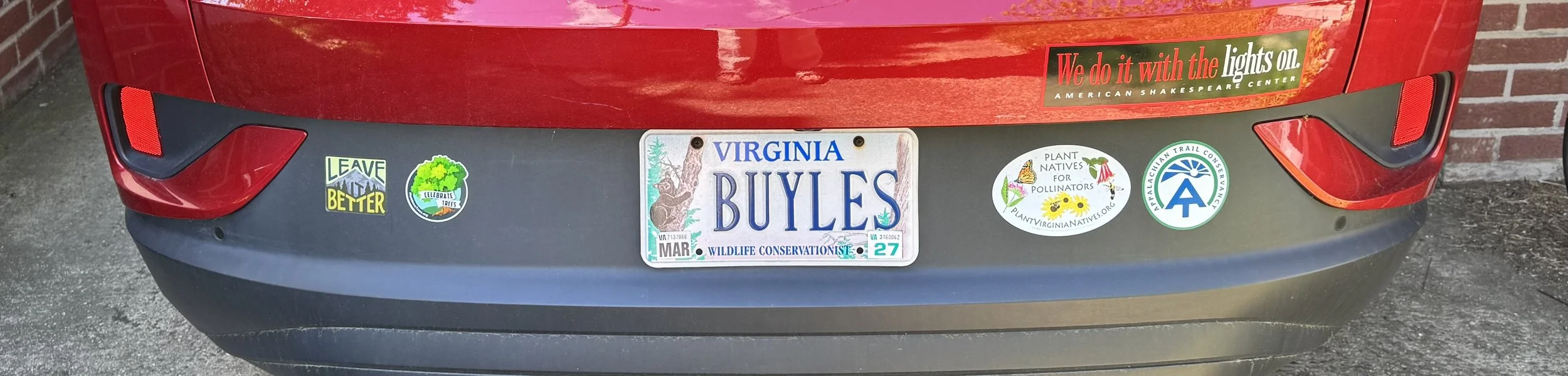
You may not realize it, but even if you’re not an Influencer, you’re constantly influencing others. In your everyday conversations and social media posts, you’re sending messages about what’s important to you. You can change the behavior of others without ever mentioning the words environment or climate – just show your best self, enjoying simple pleasures, spending time in nature, planting trees, or repurposing instead of throwing things out. No need to post a photo of that steak dinner or high-end shopping trip. You can even send out a gentle reminder with your license plate!
Worker or Student
As your commitment to protecting life on the planet grows, you will realize that you can also make a difference on the job or at your school. Every workplace produces greenhouse gas emissions via lighting, heating and cooling, food waste, purchasing decisions, and the commuting patterns of its workers. Pay attention to where your office is contributing to emissions and talk about it. “Lead from your seat” to make things better. Project Drawdown offers a downloadable guide to “making every job a climate job.”
Schools at all levels are also great places to support climate action. Teachers and students alike can promote protection of the environment, and here are some great resources and inspirational stories to get you started:
Youth Climate Action Toolkit (The Nature Conservancy + K12 Climate Action)
Wild Classroom (World Wildlife Fund)
Greening School Playgrounds (Phys.org)
Citizen
The US has a long history of supporting and promoting the fossil fuel industry. Just last year the US government added nearly $40 billion in new federal subsidies for oil, gas, and coal. I get it – much of our past economic success has been thanks to fossil fuels. In fact, my own grandfather worked for Standard Oil, which became Esso, which became Exxon. But it is past time to move on to cleaner sources of energy, and we need state and federal government policies and funding to support them instead of the fossil fuel industry. The environmental crisis generated by greenhouse gas emissions must be a talking point and election issue in every election at every level from now on. As one politician put it, “If an issue is not on the tips of their constituents’ tongues, it’s easy for them to ignore it.” Don’t let them ignore it – here’s how you can contact them.
Who else can I bring along with me?
Every time I write “We’re all in this together,” what I mean is, we’re all going to face the consequences of human impact on the planet, and we all need to work together to find solutions, fast. The skills, knowledge and resources necessary are out there, spread among millions of us. We just need to link up and push in the same direction. Start with the information above, make your own personal commitments, then find others in your community, at your job, or at your school who are ready to work with you.
Here’s a great place to start: EnvironMental Groups. A small group of people called Earth Focus Group has created a map of the US where you can click on your state to see a list of active environmental groups. If you’re not ready to join a group, think about organizations you’re already a part of – book clubs, bowling leagues, religious organizations, PTAs, kids’ sports leagues – people everywhere are concerned about what kind of world we’re passing along. Be brave enough to mention your concerns and see where the conversation leads.
Of course, one group you’re in a great position to influence is your family! A couple of great guides to get you started on that are Sandi Sturm’s Family Survival Guide for Our Changing Climate and Julia Rockwell’s Mothering Earth. Pick either of these for ideas to lead your family and share with your friends!
The bottom line - enjoy your life in a way that will allow future generations to enjoy theirs (because . . . we’re all in this together).

Info sources: carbonbrief.org, ourworldindata.org, gallup.com, wecanfixit.substack.com, drawdown.org, oilchange.org, E360.yale.edu